
Another year, another iPhone — and once again, Apple has reinvented… the price tag.
The iPhone 17 has arrived with features that feel oddly familiar, like déjà vu with better lighting. If you’ve ever wanted to pay more for what you already own, congratulations — the revolution is here, again.
The Core Reality
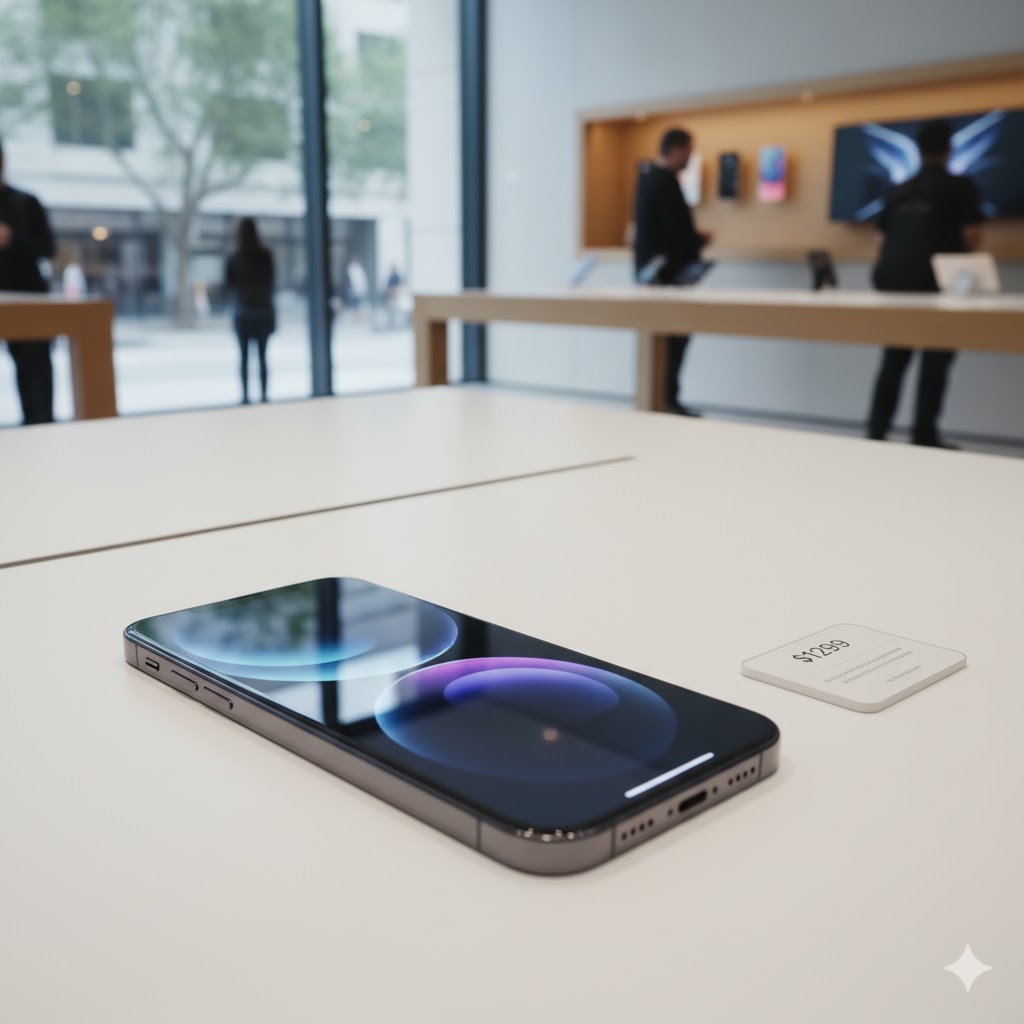
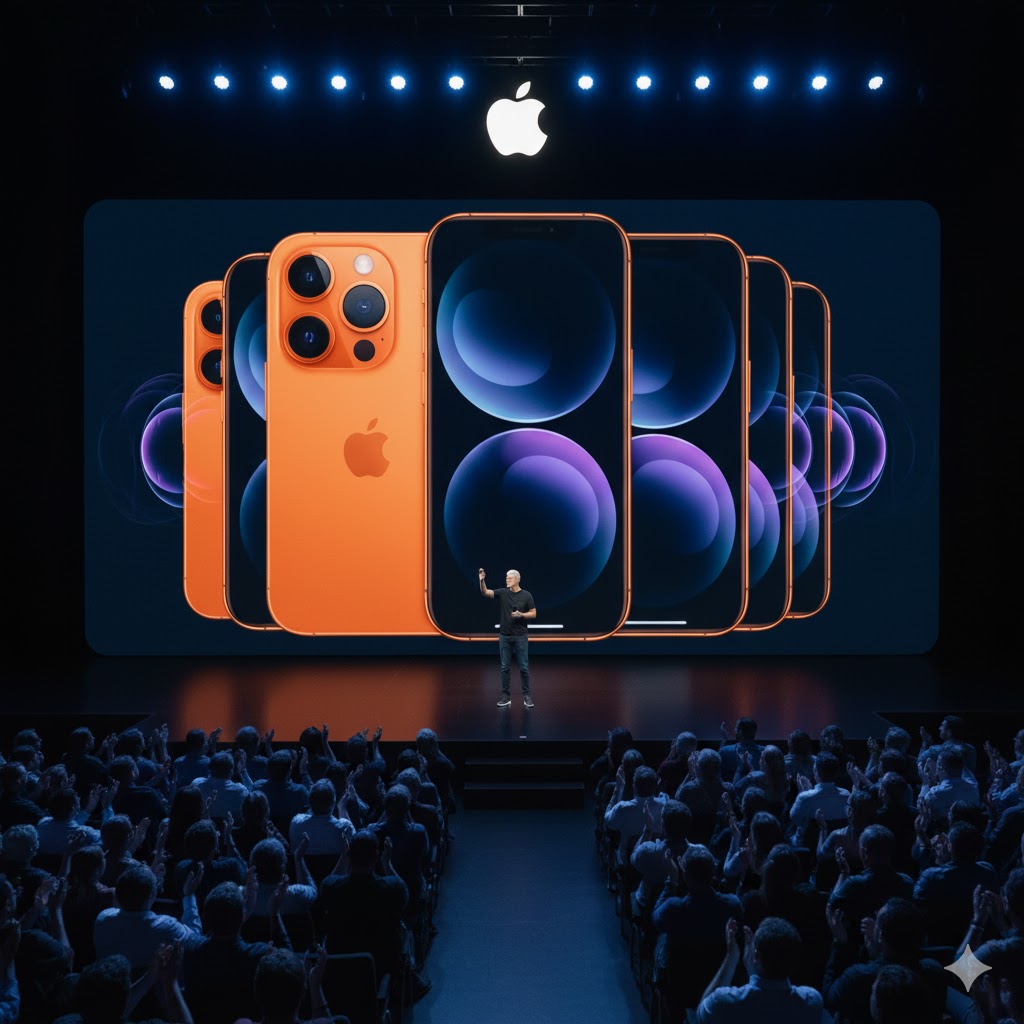
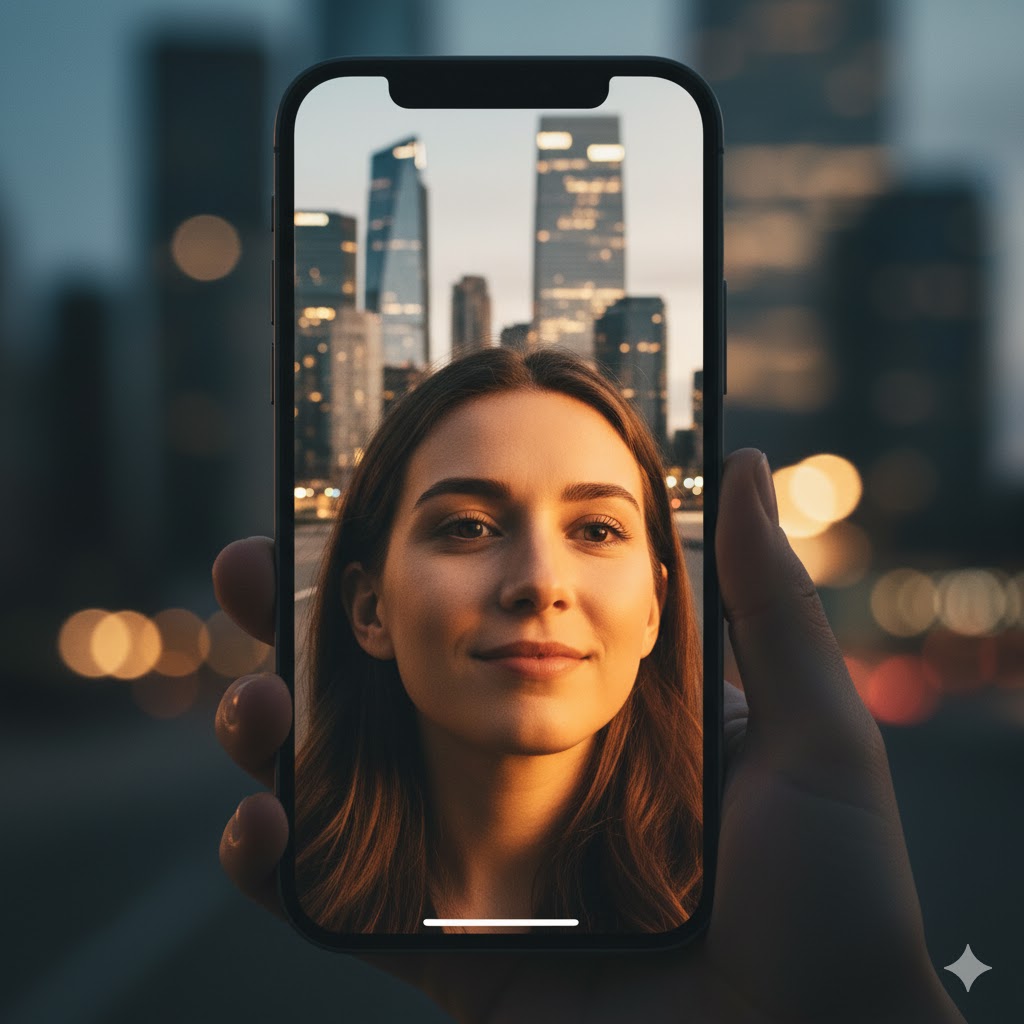
Apple officially unveiled the iPhone 17, boasting the “most advanced AI-integrated smartphone ever.” The new model introduces a slightly smaller notch, an AI-powered “Adaptive Selfie Engine,” and a titanium build that “feels more natural in hand.”
The A19 Bionic chip promises up to 15% better performance and 30 minutes longer battery life — the same kind of numbers Apple has been improving for the past five years. There’s also “VisionLink,” a feature that lets your iPhone sync with Vision Pro, letting users drag apps between devices.
The real star of the show? The new color — “Mystic Titanium.” Because apparently, naming colors has become Apple’s biggest innovation department.
Retail price starts at $1,299, with the “Pro Max Ultra Extreme Infinity” version touching $1,799. In short, Apple’s message remains clear: you may not own a house, but you can own the iPhone 17.
The Flappy Flip
Let’s be honest: Apple isn’t selling phones anymore — it’s selling validation.
We all know someone who’ll trade their kidney (or last iPhone) the moment Tim Cook blinks in Morse code.
The iPhone 17 looks great, sure, but it’s less a product and more a ritual now. The cycle is sacred:
Apple leaks → Hype builds → Same features → New color → Twitter meltdown → Pre-orders sold out.
Remember when we used to wait for genuine innovation? The first touchscreen, Face ID, AirPods — those were real game-changers. Now, “AI wallpaper suggestions” are headline-worthy. Even ChatGPT looks at the new Siri and goes, “bro, chill.”
But here’s the weird part — we’ll still buy it. Because Apple doesn’t just design phones; it designs FOMO.
The ecosystem is a trap we willingly live in. AirPods, iPad, MacBook — all orbiting around the iPhone like obedient satellites. You leave one, you lose everything.
And let’s not forget the social dynamic. iMessage bubbles still separate friendships.
Blue = loyalty. Green = peasantry.
Meanwhile, Samsung users are smirking — until they realize their phone’s camera UI looks like a 2009 DVD menu.
So yeah, the iPhone 17 might not be revolutionary, but at least it’s predictably premium.

The Human Wrap
Maybe that’s the real story here — not the phone, but the feeling.
Apple knows exactly how to make us feel like we’re missing out, even when we aren’t.
The iPhone 17 isn’t just another gadget; it’s another mirror. It reflects our obsession with belonging, status, and tech as therapy.
Because deep down, we all want to believe that the next version of something — phone, job, life — will finally make everything better.
Until next September, when Apple once again proves… it’s the most predictable revolution yet.
Related Flappy Read: Toyota Canada Recall Rearview Camera: Bug Hits 32,700 Vehicles.
iPhone 17 vs 16 Pro / 15 Pro — What’s New & What’s Similar
Here are the key differentiators when comparing iPhone 17 to its predecessors:
| Spec / Feature | iPhone 17 (base / Pro) | iPhone 16 Pro | iPhone 15 Pro | What Changed / Highlights |
|---|---|---|---|---|
| Display | 6.3 in OLED (base & Pro), ProMotion up to 120Hz, Always-On | Similar OLED 120Hz, smaller base model screen | 6.1 in OLED for 15 Pro | The base iPhone 17 gets features (120Hz, always-on) previously exclusive to Pro models. TechRadar+7The Verge+7TechRadar+7 |
| Processor | A19 chip for base, enhanced architecture in Pro | A18 Pro | A17 Pro | More power efficiency, better neural performance. Apple+3Tom’s Guide+3Apple+3 |
| Cameras | Dual Fusion 48 MP (main + ultra-wide) on base; triple 48 MP in Pro lineup; enhanced optical zoom & Fusion tech | 16 Pro had upgrades like 5× telephoto etc. | 15 Pro’s telephoto was 3×, ultra-wide was 12MP earlier | Base 17 gets camera features closer to what used to be Pro-only. Fusion / binning tech improves versatility. Apple+3Apple+3TechRadar+3 |
| Battery & Charging | Base ~ 3,692 mAh (14.351 Wh) for base model; Pro / Pro Max with much larger batteries. Improved real-world battery life (Pro Max ~ 17h+ in browsing tests). Apple+7Wikipedia+7Tom’s Guide+7 | 16 Pro had a modest battery uplift from 15 Pro. Tom’s Guide | 15 Pro had lower battery endurance. | 17’s battery improvements are among its more tangible gains. |
| Security + New Features | Memory Integrity Enforcement (MIE) — new hardware + OS level memory safety enforcement. Wikipedia | Doesn’t have MIE (older architecture) | Doesn’t have MIE | This shows Apple pushing for security in newer devices. |
| Design / Dimensions | Slightly larger than 16, minimal external change. MacRumors+1 | 16 Pro had thinner bezels vs 15 Pro etc. Tom’s Guide+1 | 15 Pro had older bezels, smaller screen | The aesthetic changes are subtle but cumulative. |
| Other capabilities | Base model now includes what were Pro features (higher refresh, always-on, better cameras) — narrowing the “Pro vs base” gap. Connectivity / wireless advancements rumored. | 16 Pro had newer modem, better video features than 15 Pro. | 15 Pro more limited in advanced features. | This crossover is a big part of Apple’s push: make base models stronger so upgrades have less gap. |
FAQs About iPhone 17 — The Most Predictable Revolution Yet
1. What’s new in the iPhone 17?
The iPhone 17 introduces the A19 Bionic chip, AI-powered selfie engine, and a titanium body — but overall, its design and performance remain similar to the iPhone 16.
2. Does the iPhone 17 have real AI features?
Yes, Apple integrated on-device AI for photography, text prediction, and app suggestions, but nothing revolutionary compared to existing competitors.
3. What is VisionLink on the iPhone 17?
VisionLink connects the iPhone 17 to Apple’s Vision Pro headset, allowing users to drag apps and files seamlessly between both devices.
4. How much does the iPhone 17 cost?
Prices start at $1,299 for the base model and go up to $1,799 for the iPhone 17 Pro Max Ultra.
5. Is the iPhone 17 worth upgrading from iPhone 16?
If you already have an iPhone 15 or 16, the upgrade may not feel significant unless you want the latest chip or slightly improved camera features.
6. What colors are available in iPhone 17?
Apple launched a new “Mystic Titanium” color along with classic Silver, Space Black, and Blue Titanium options.
7. Does the iPhone 17 have better battery life?
Apple claims a 30-minute improvement in battery life compared to the iPhone 16, powered by efficiency in the new A19 Bionic chip.
8. When is the iPhone 17 release date?
The iPhone 17 officially released in September 2025, following Apple’s annual launch pattern.
9. Does iPhone 17 support USB-C?
Yes, following EU regulations, the iPhone 17 continues Apple’s transition to USB-C for charging and data transfer.
10. How does the iPhone 17 compare to Samsung Galaxy S25?
The iPhone 17 maintains smoother ecosystem integration, while Samsung offers more innovative features and customization options in its S25 series.
11. What’s the biggest criticism of the iPhone 17?
Critics argue that Apple focuses more on marketing and pricing than genuine innovation, with minor upgrades presented as major leaps.
12. Why is the iPhone 17 called “The Most Predictable Revolution Yet”?
Because despite all the hype and language of change, the product’s design, features, and experience feel familiar — Apple’s innovation now lies in selling predictability as progress.
Disclaimer:
FlappyNews delivers fact-based stories with a satirical twist. Don’t take our jokes seriously, but do take the facts seriously.