
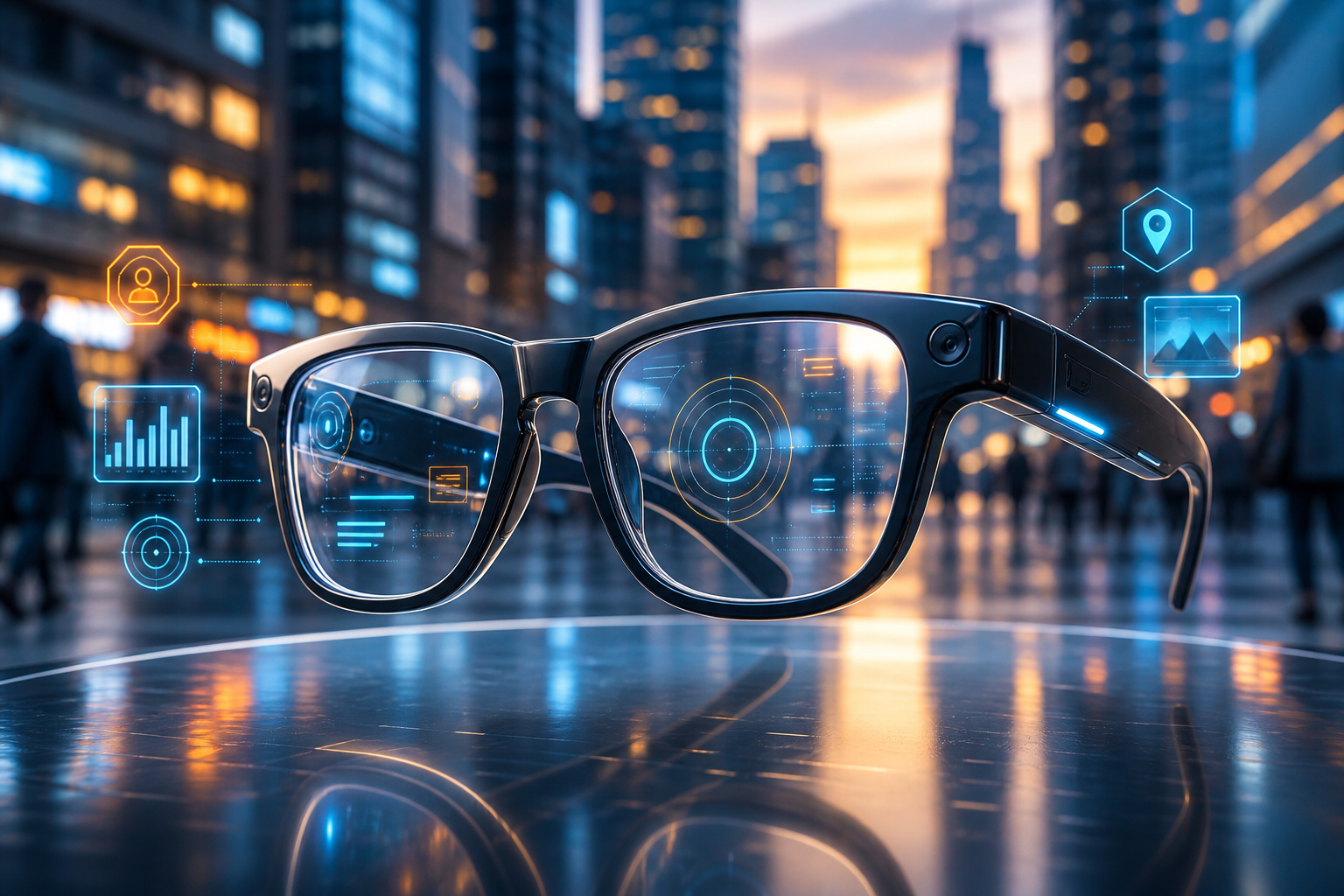
AI smart glasses are moving from “cool demo” territory into the everyday gadget conversation, and the timing makes sense. Phones are still the center of our digital lives, but people are increasingly looking for faster, lighter ways to check information, capture moments, translate conversations, and navigate the world without constantly staring down at a screen.
The appeal is simple: put useful intelligence closer to your eyes and ears, but keep the experience hands-free. The newest wave of wearable tech is focused less on sci-fi spectacle and more on practical micro-moments: quick notifications, voice prompts, visual search, live captions, camera shortcuts, and personal assistance that does not require opening ten apps.
Why the trend is heating up
Three things are pushing smart glasses back into the spotlight: smaller hardware, better on-device AI, and a growing appetite for screen-free convenience. Instead of trying to replace the smartphone overnight, these devices are being positioned as companions that handle quick tasks while your phone stays in your pocket.
- Hands-free capture: photos and short clips without reaching for a phone.
- Real-time help: translations, reminders, summaries, and directions in the moment.
- Lighter interaction: quick answers and alerts without endless scrolling.
The big question
The challenge is not just whether the tech works. It is whether people feel comfortable wearing it in public, whether battery life can keep up, and whether privacy concerns are handled clearly. A wearable camera on your face can be useful, but it also needs trust, obvious controls, and social common sense.
Still, the direction is hard to ignore. If AI assistants become more personal and context-aware, smart glasses could become one of the most natural ways to use them. The next breakout gadget may not be another rectangle in your hand. It may be sitting quietly on your face.